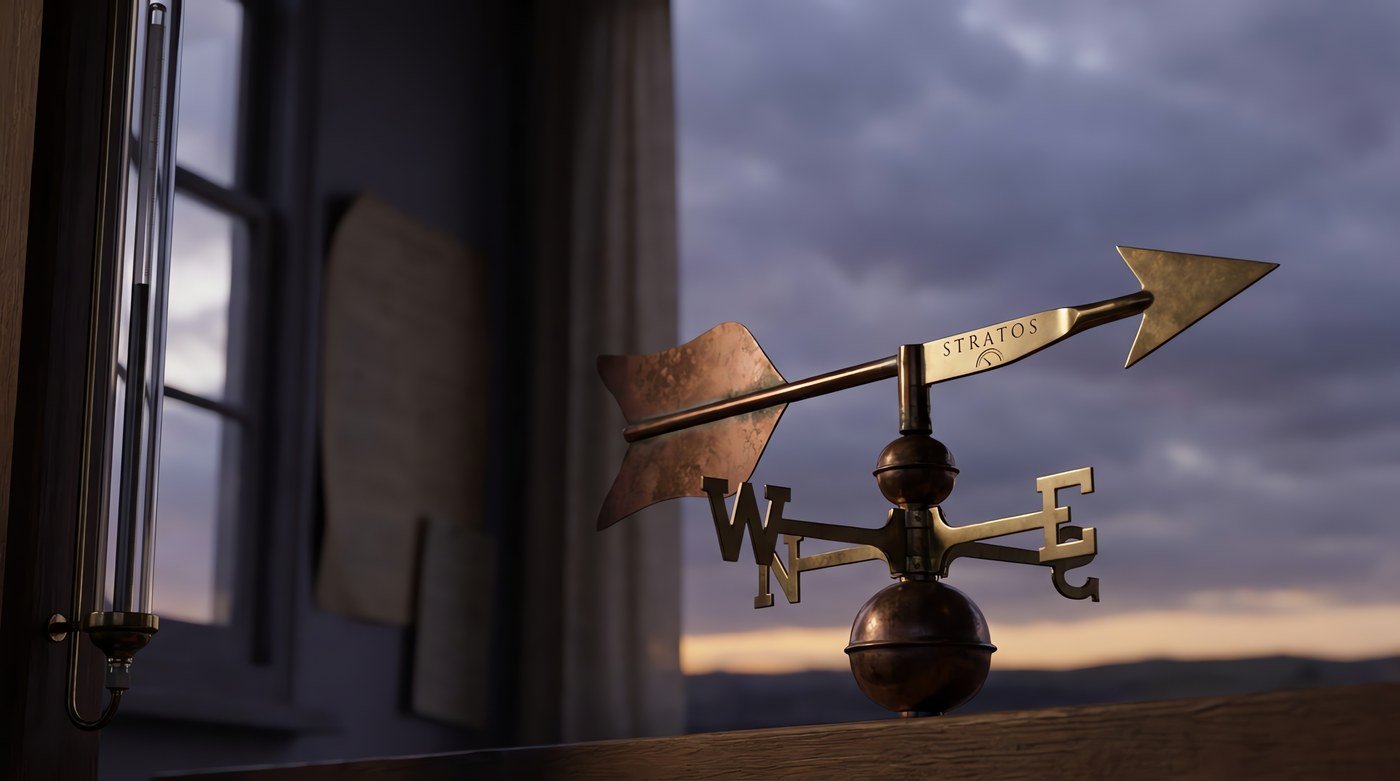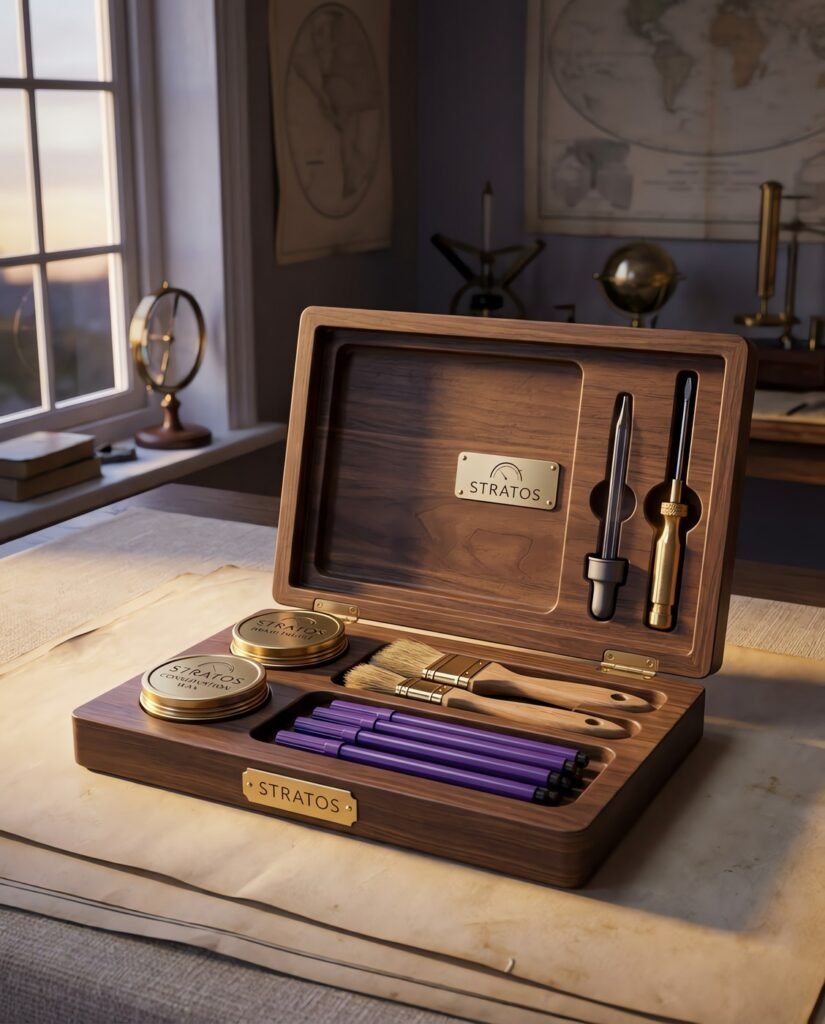
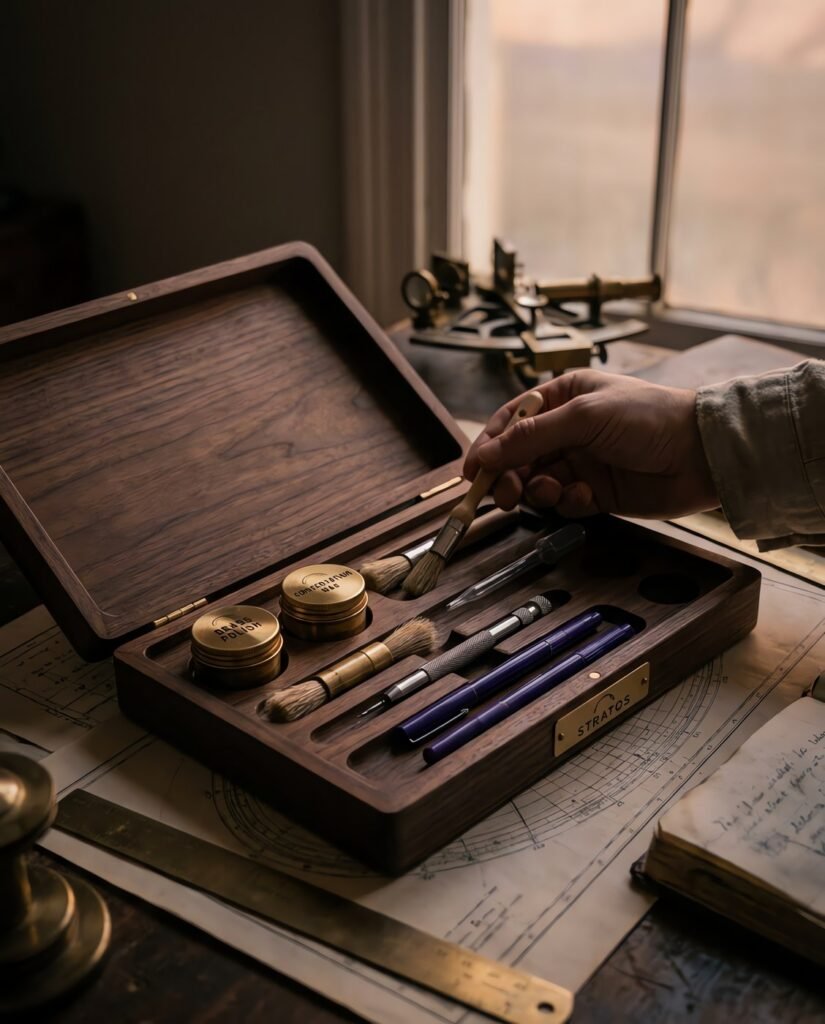
Barometers, anemometers and sky instruments built the way they were when the reading was the only thing that mattered — brass, glass, and a calibration card with your instrument's own numbers on it.
Anyone can print a scale on a dial. We set every instrument against a laboratory reference before it leaves the workshop, write the measured offset on a card, and put that card in the box. You are not buying our word for it — you are buying the figures.
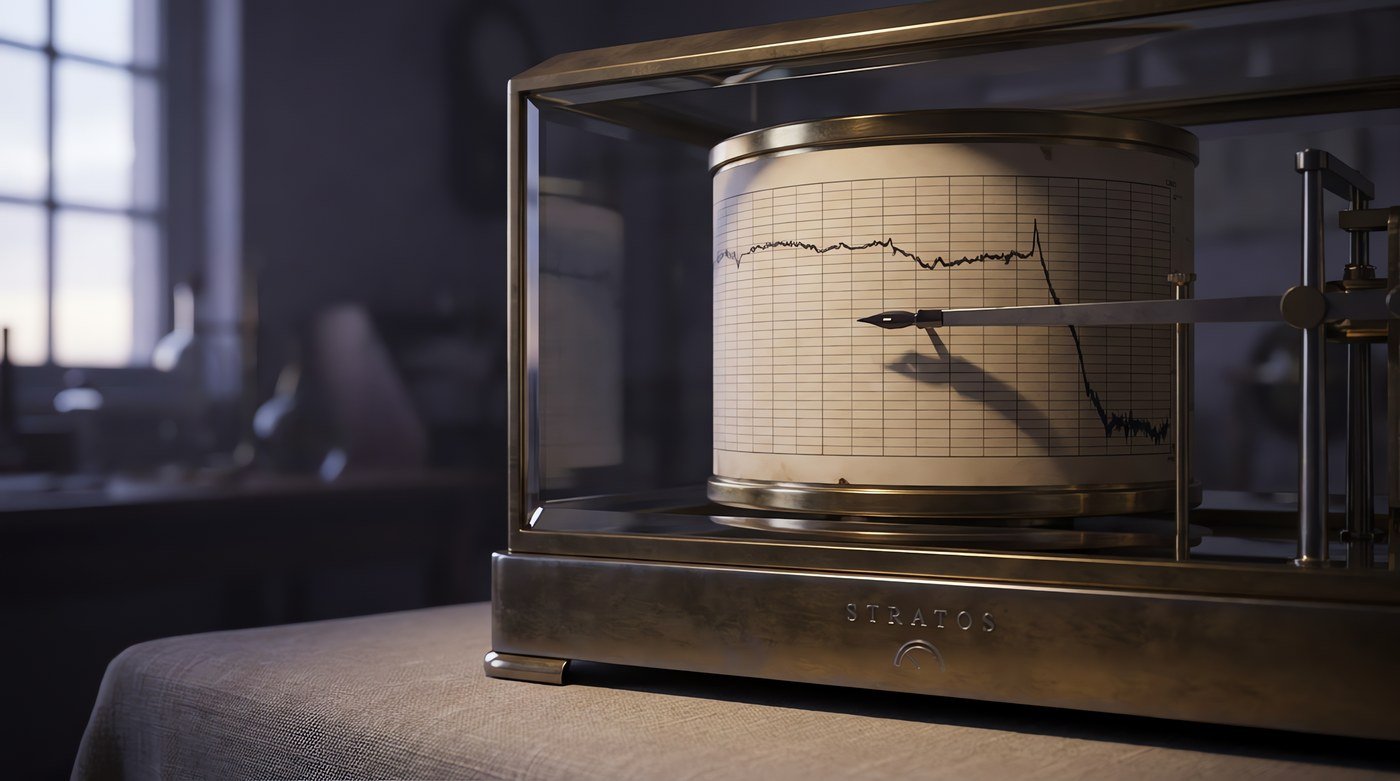 Eight instruments
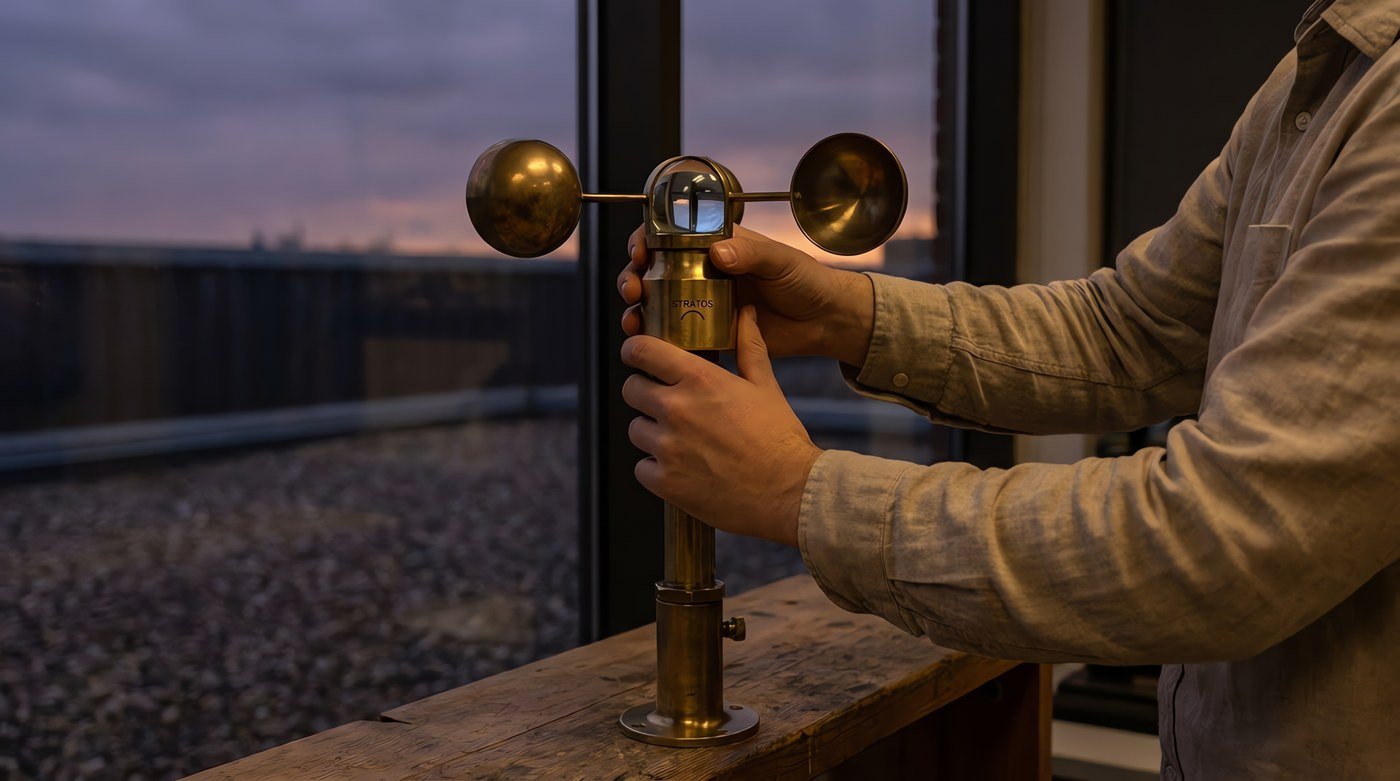 Seven instruments
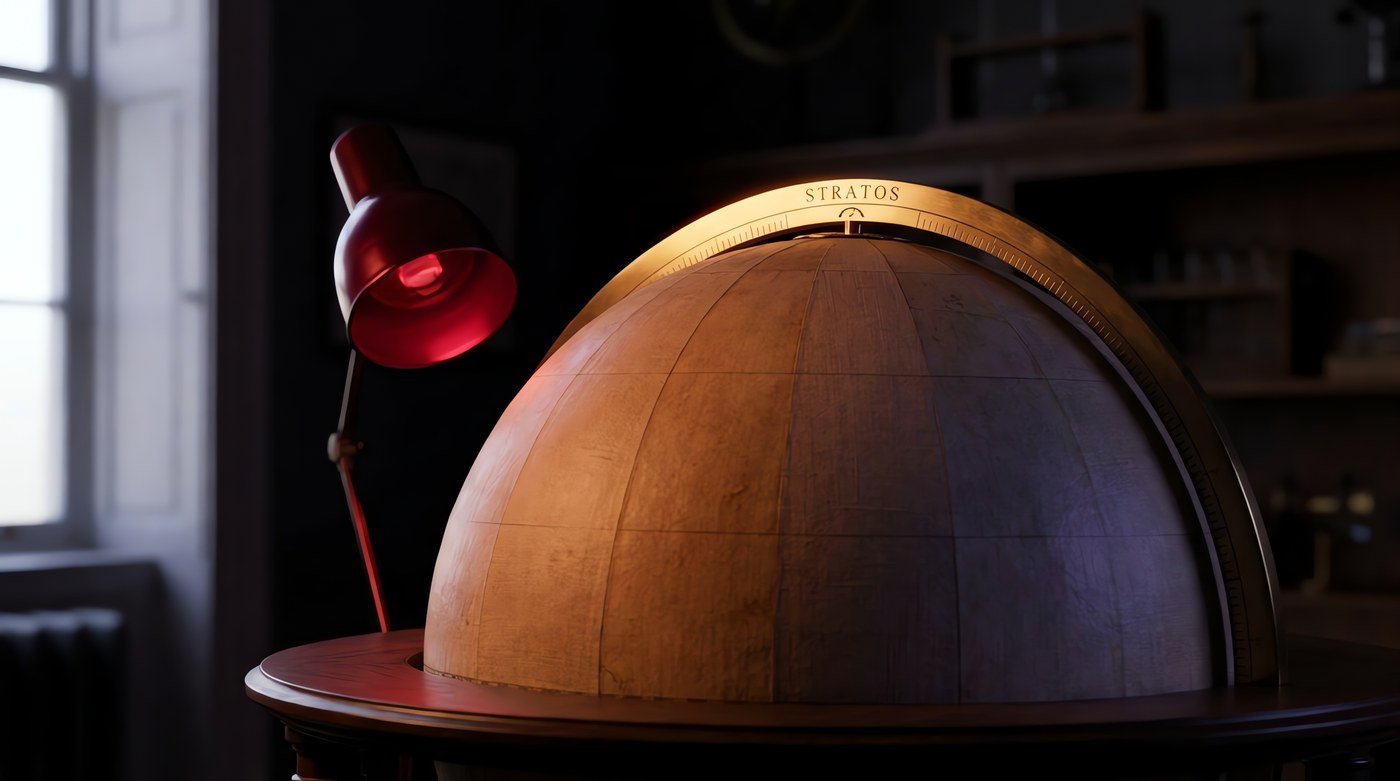 Eight instruments
 Seven instruments
An ice bath at 0 °C and a stirred reference at 40 °C. Both figures written down.
The Fortin-pattern column resolves a tenth of a hectopascal — three metres of elevation.
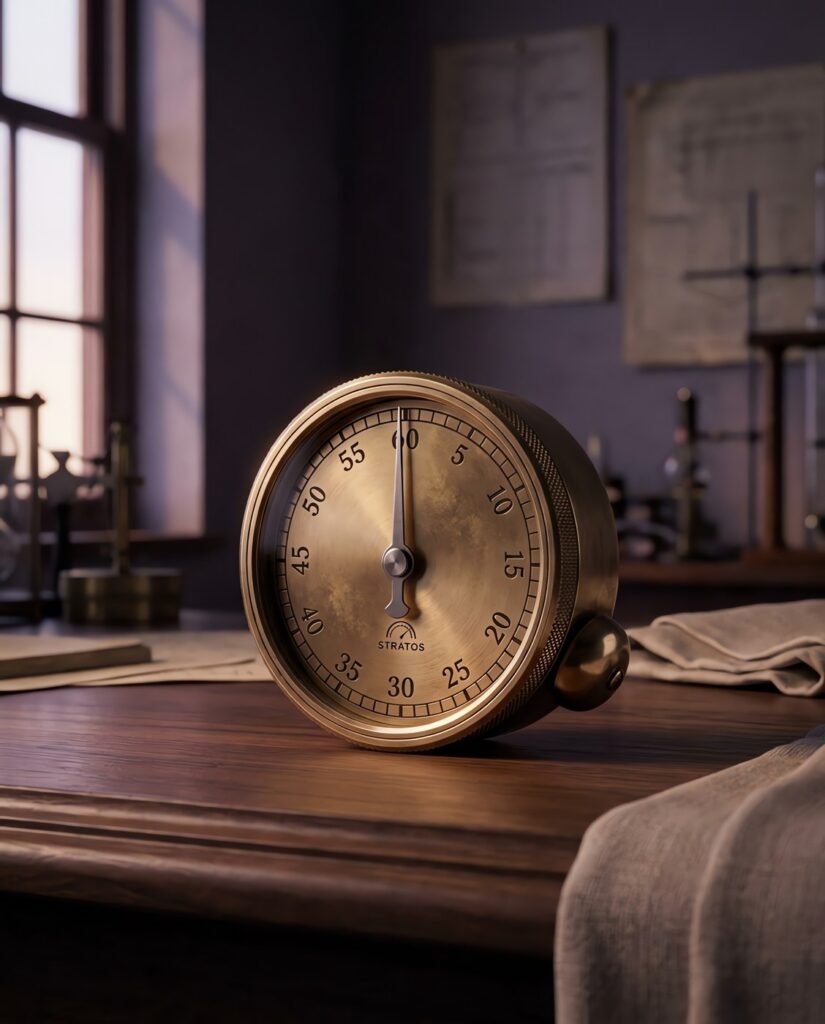
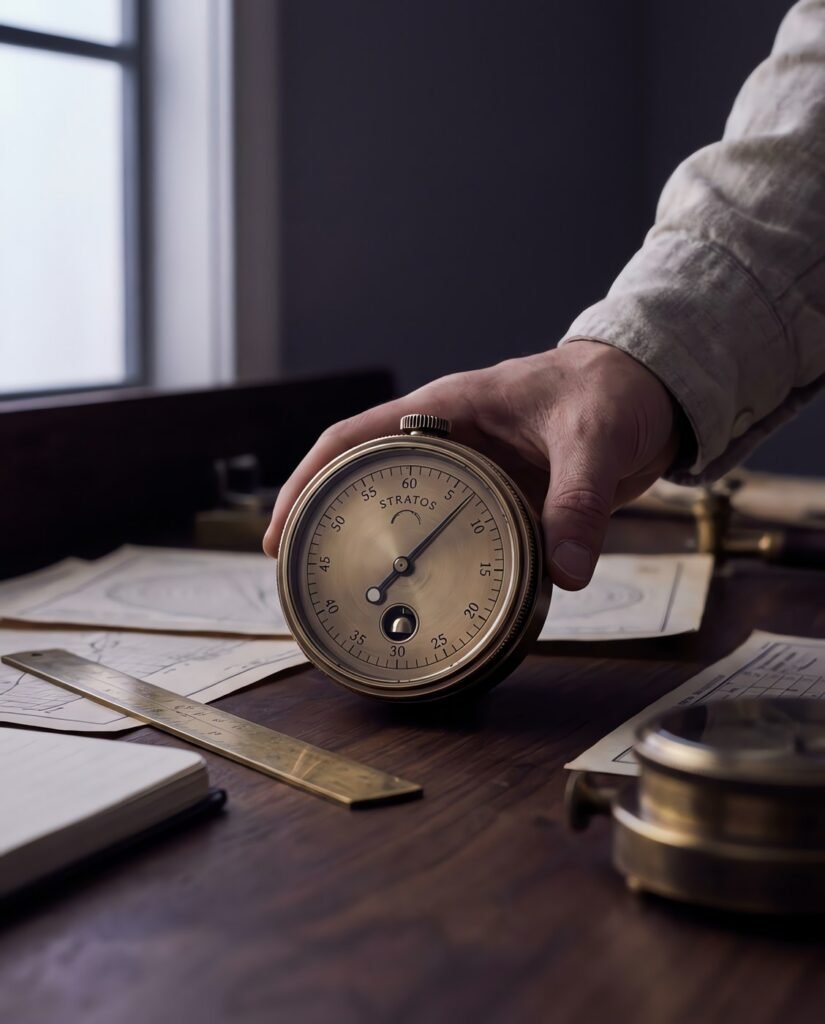
Every movement runs four days in four positions before its mean daily rate is certified.
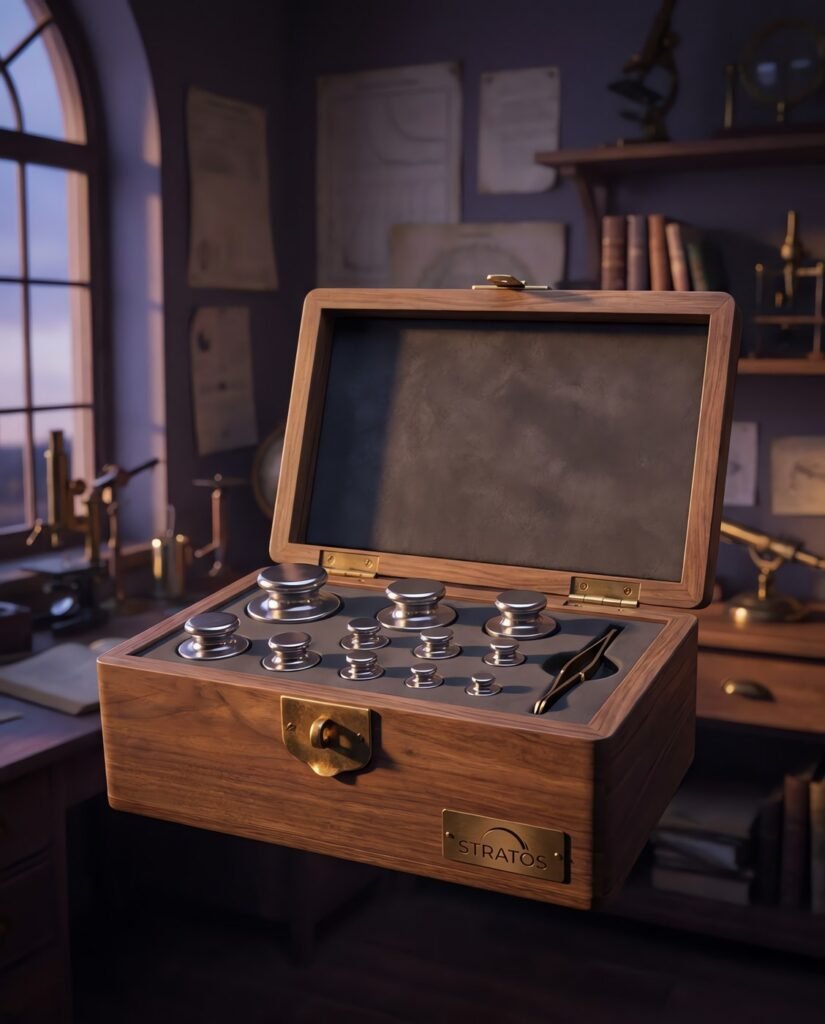
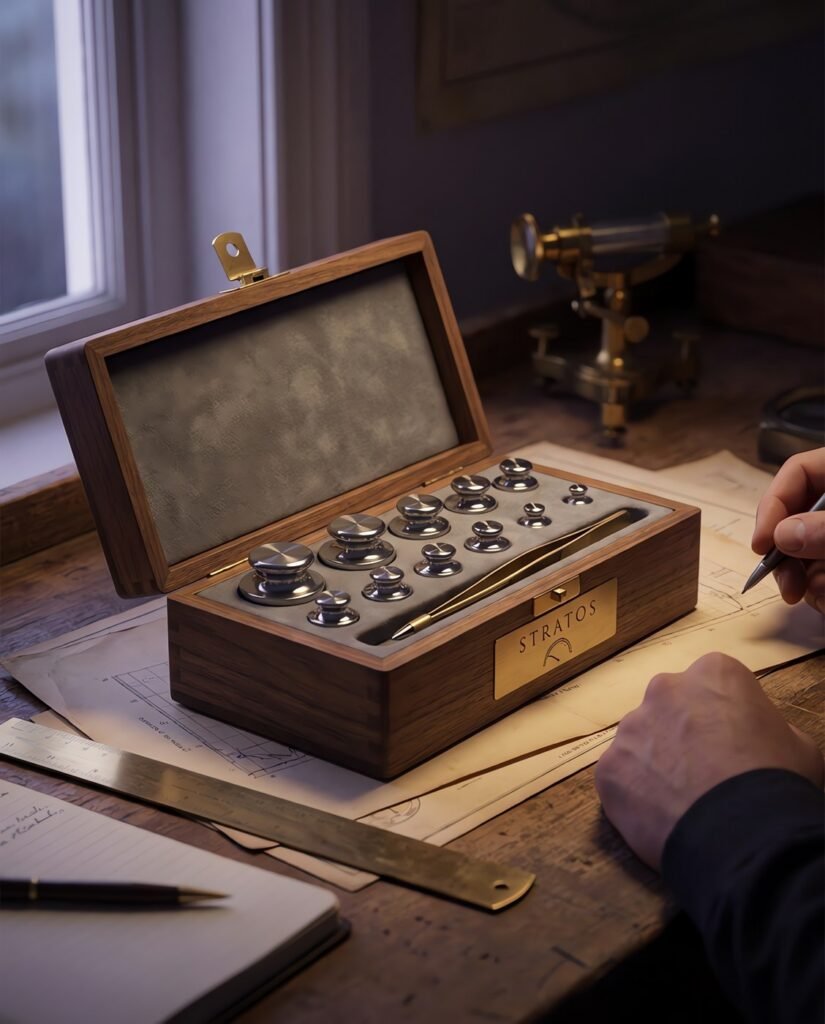
The 200 g is within 10 mg of nominal; the 1 g within one.
A thermometer and a hygrometer hanging in the window, read against the light while there is still light to read them by. Everything we make is built for this half hour.
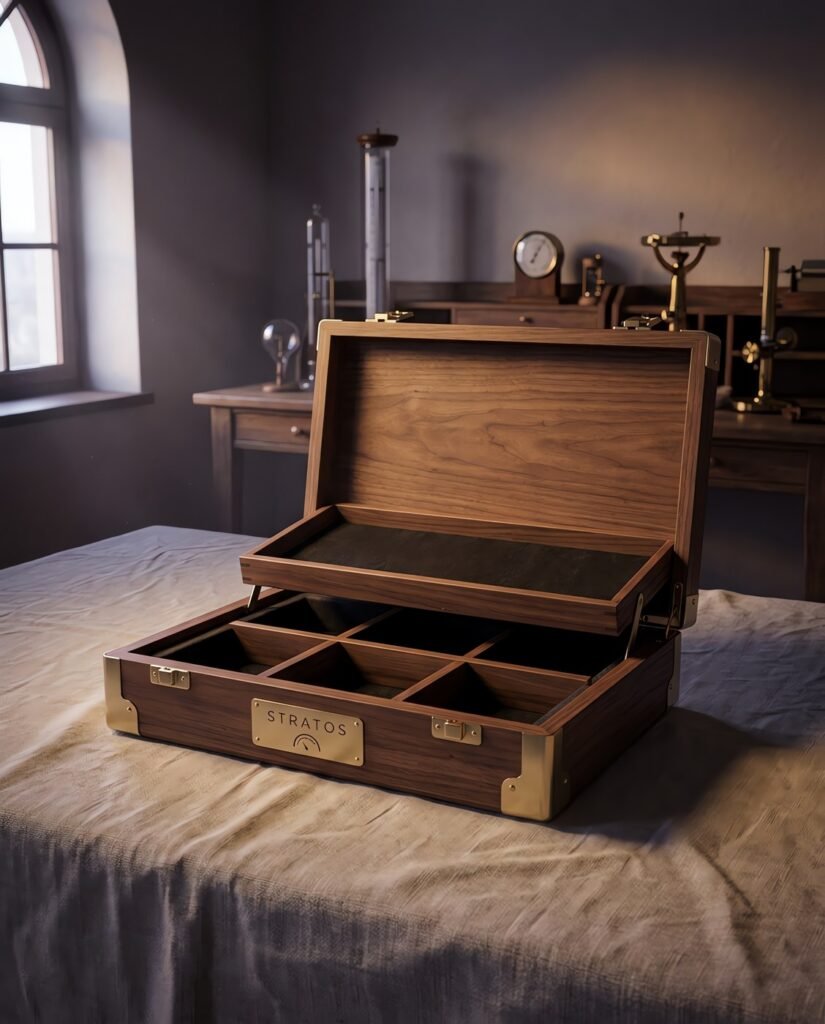
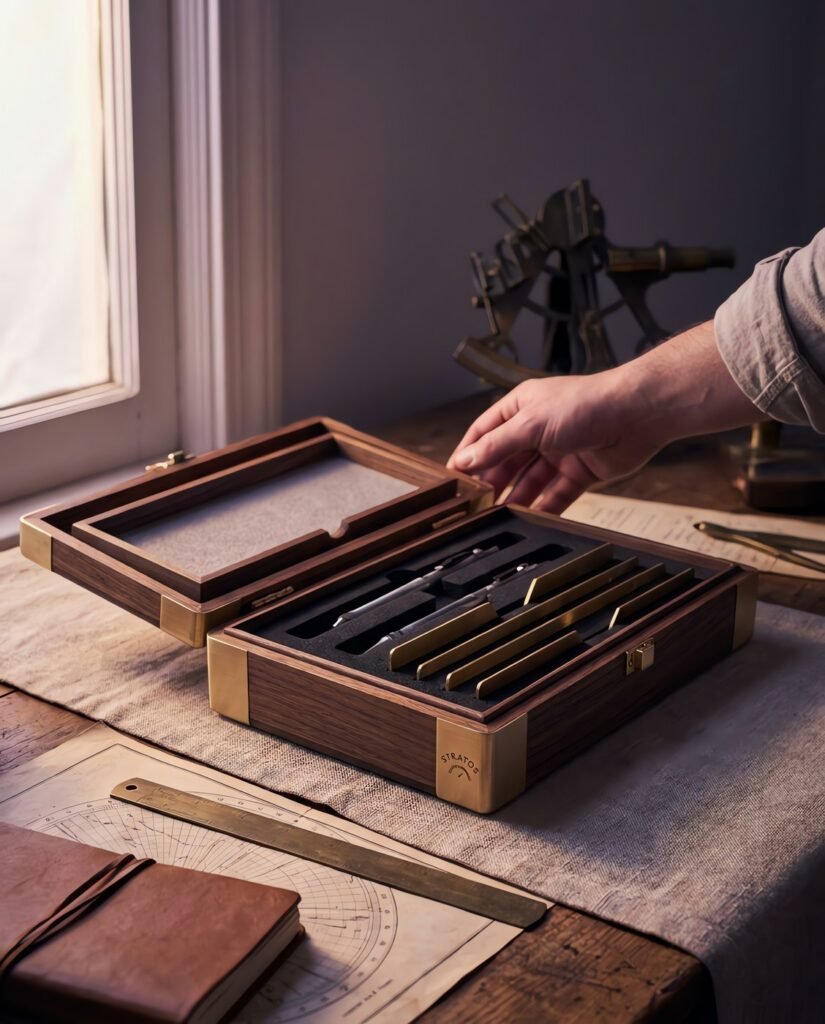
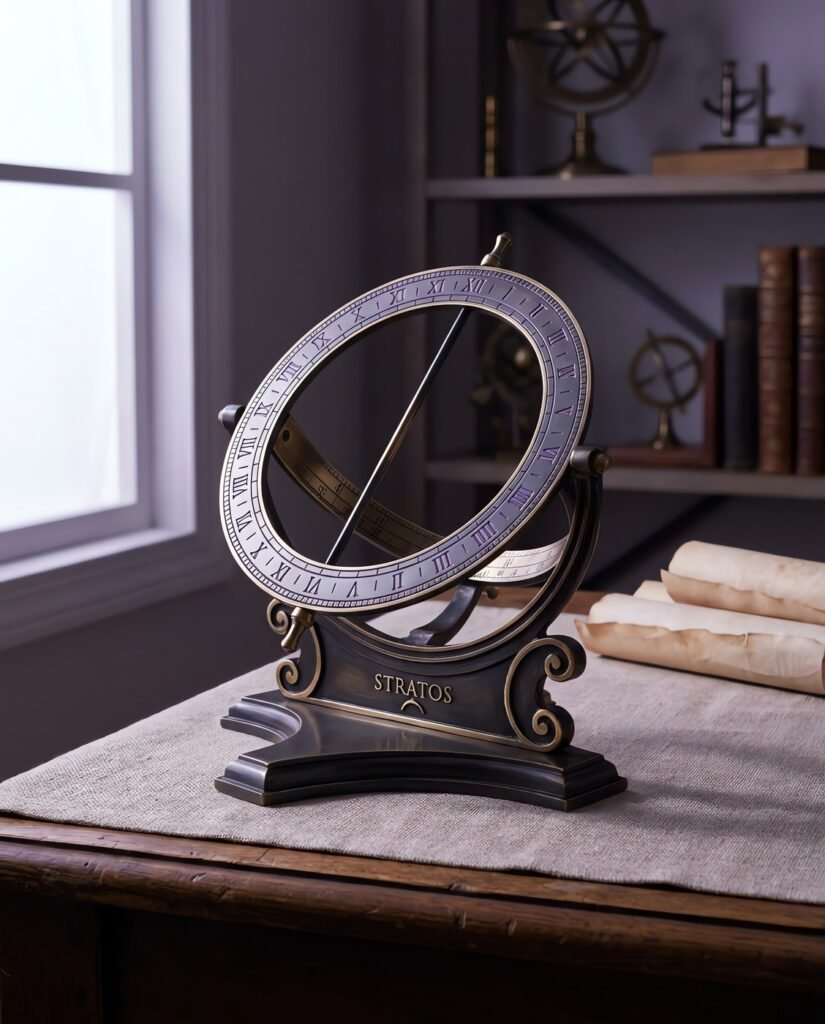
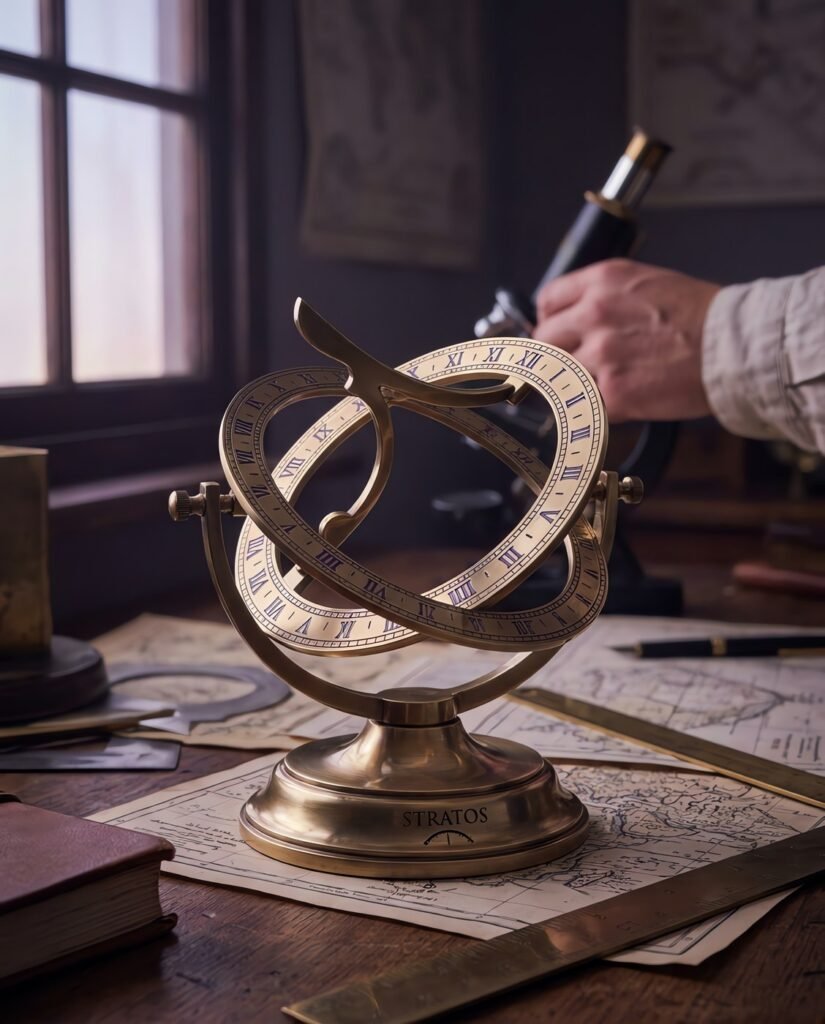
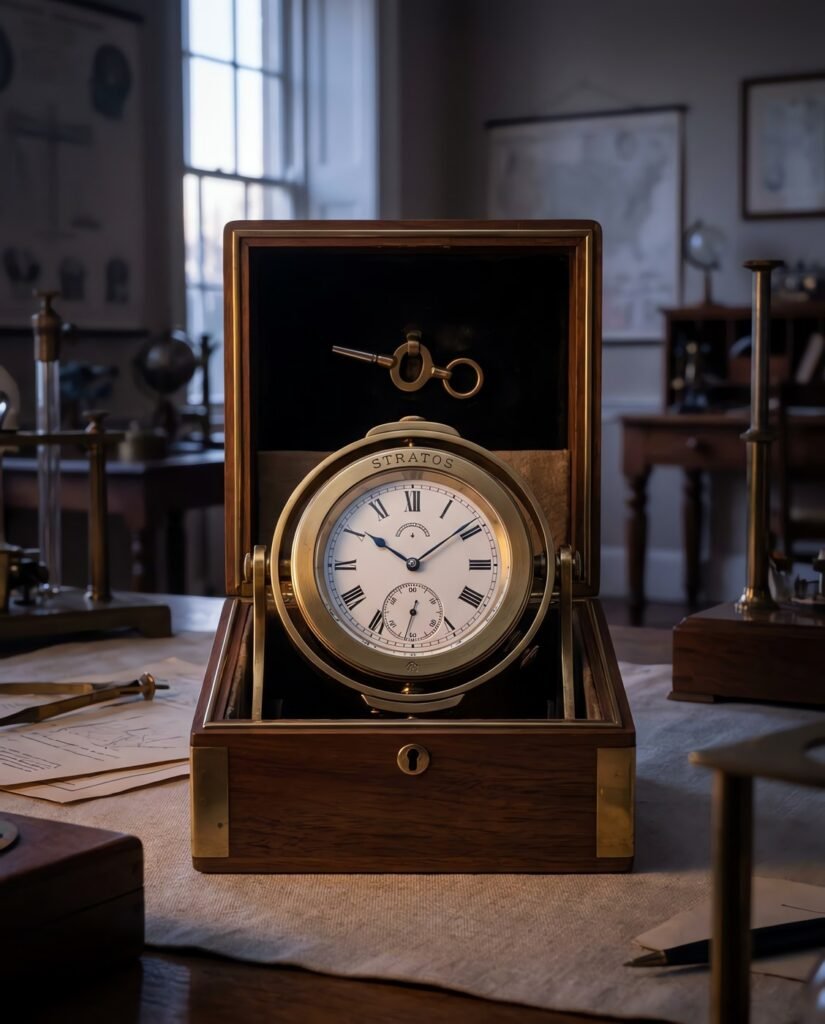
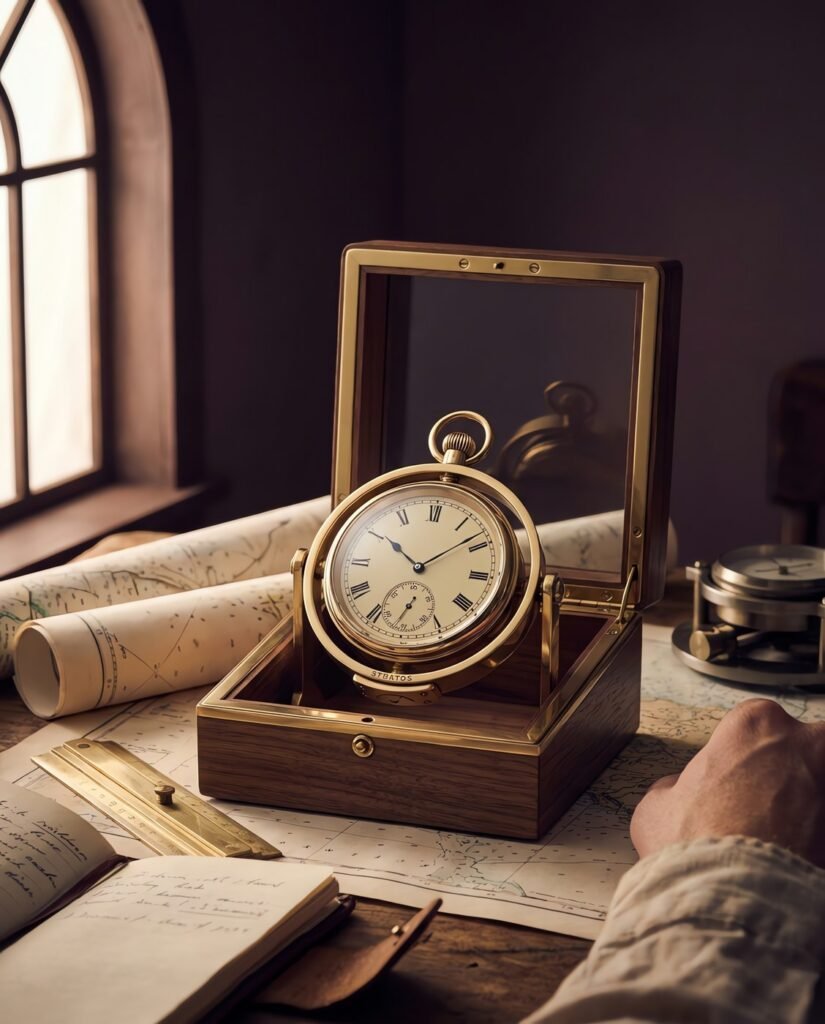
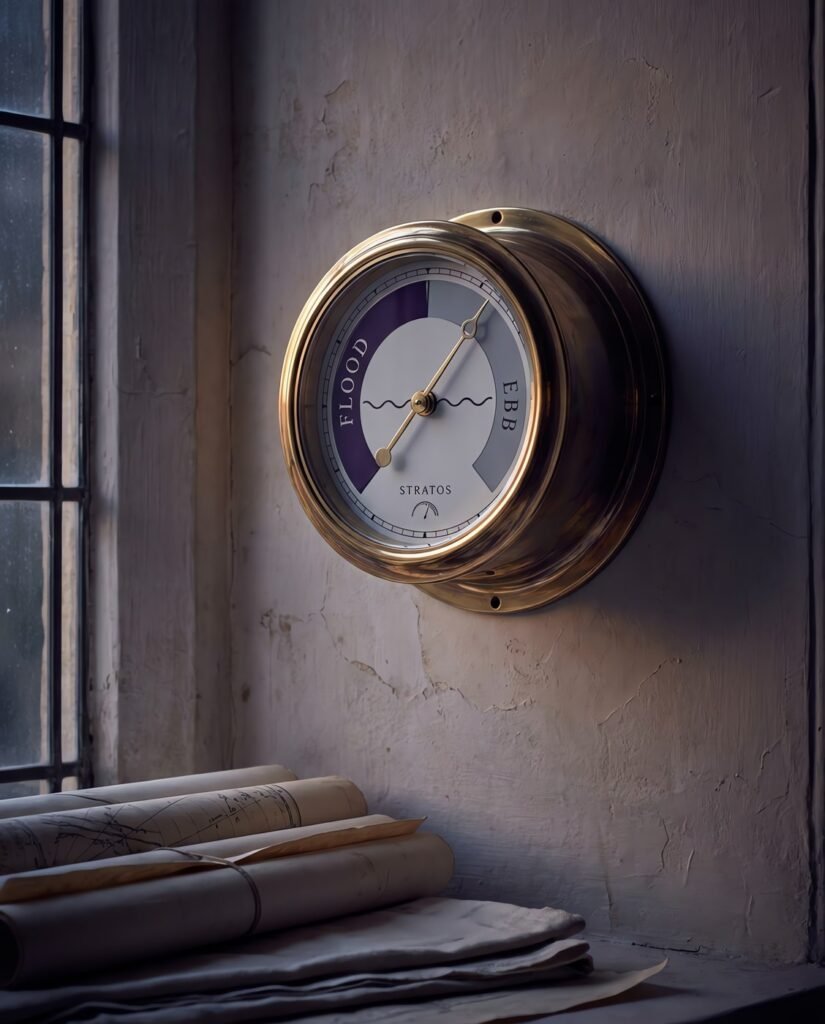
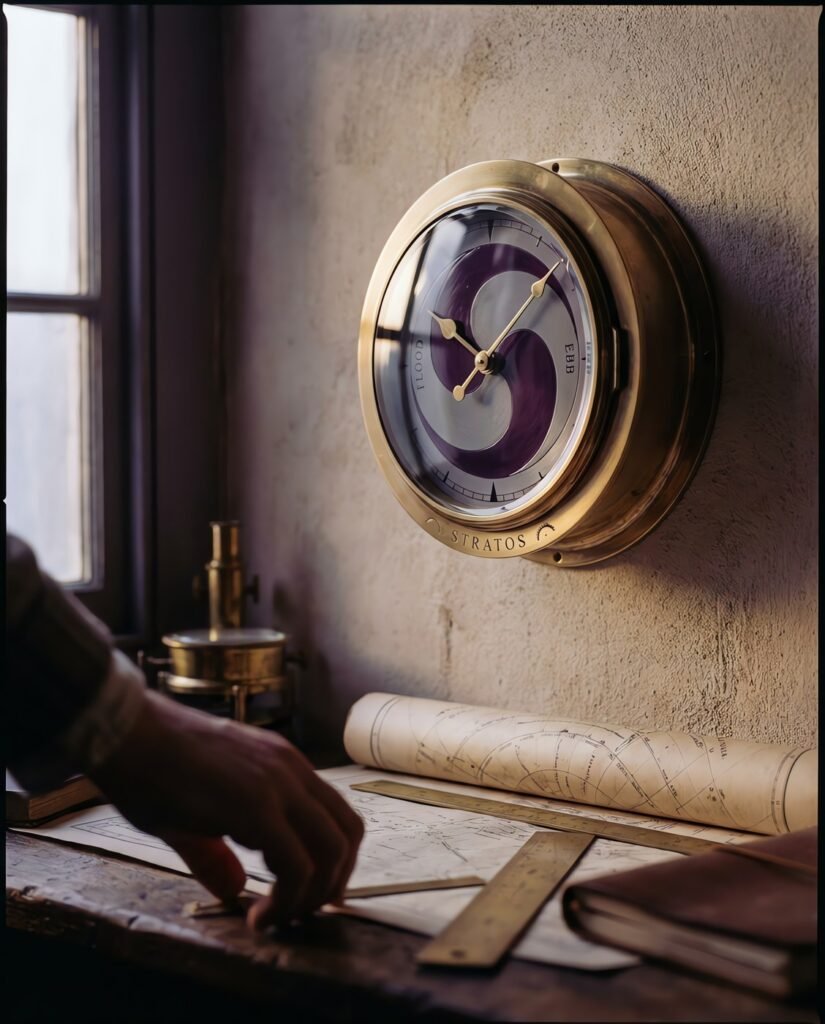
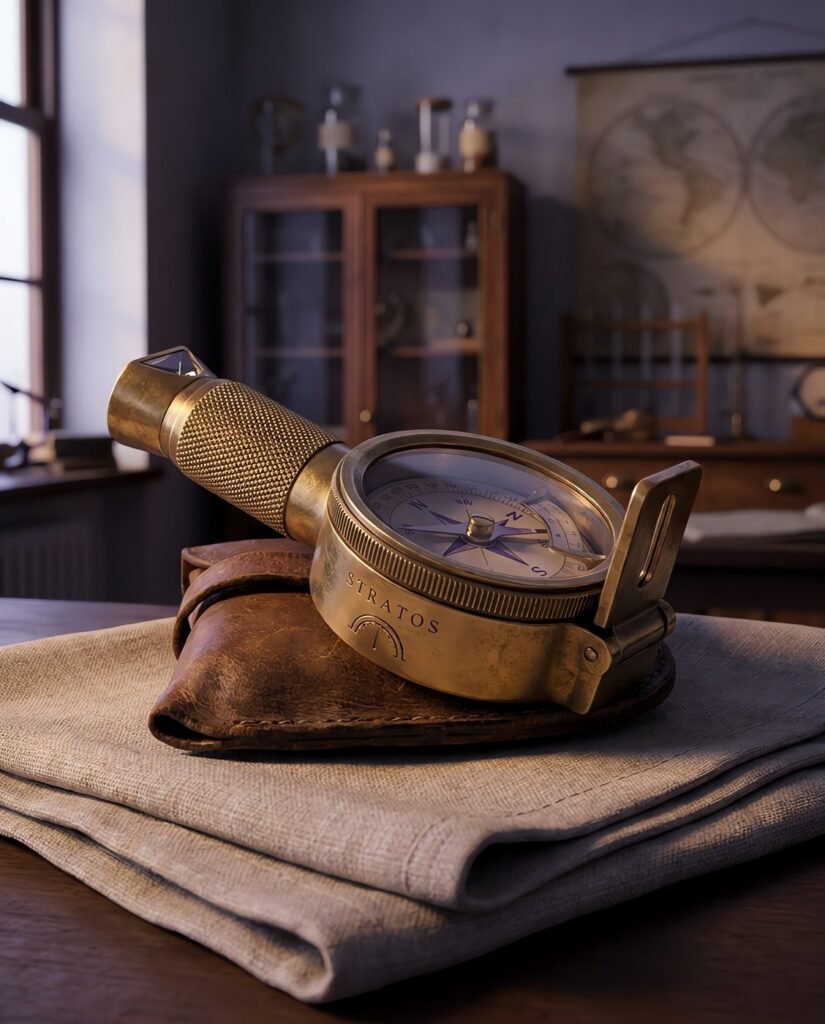
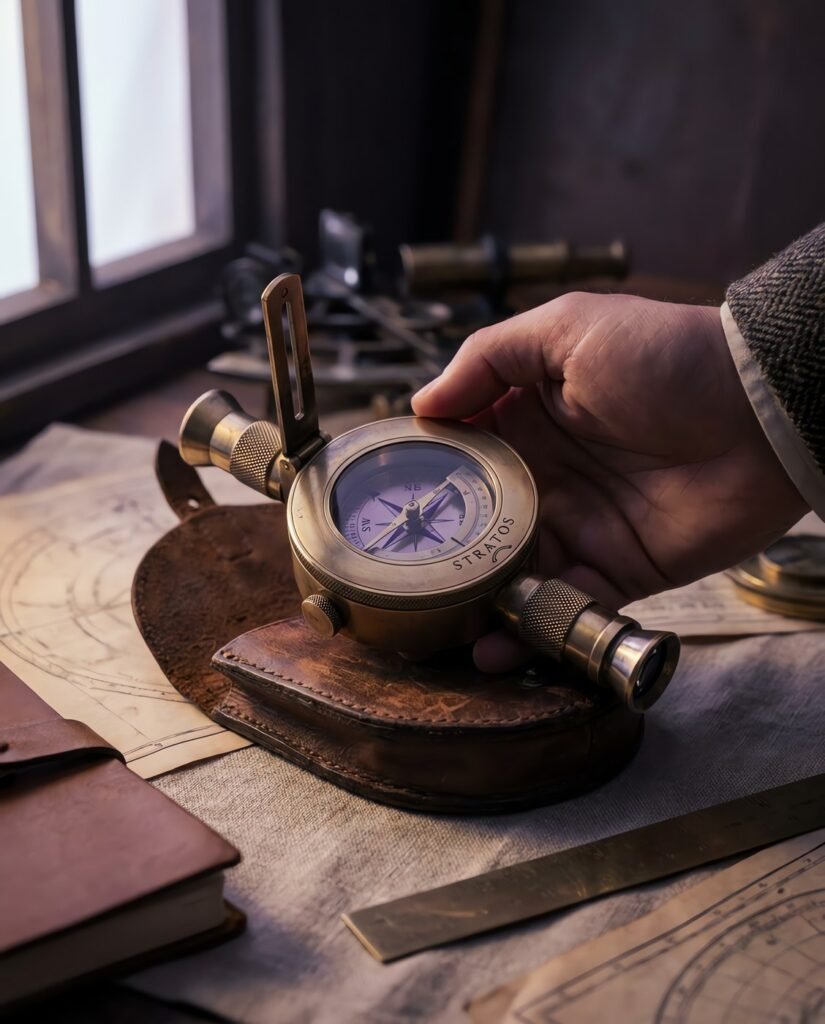
Brass moves predictably with temperature, takes a bearing surface without galling, and can be engine-engraved so a scale is cut into the metal rather than printed on top of it. A printed scale wears off. A cut one is still legible when the instrument is older than you are.
How these are made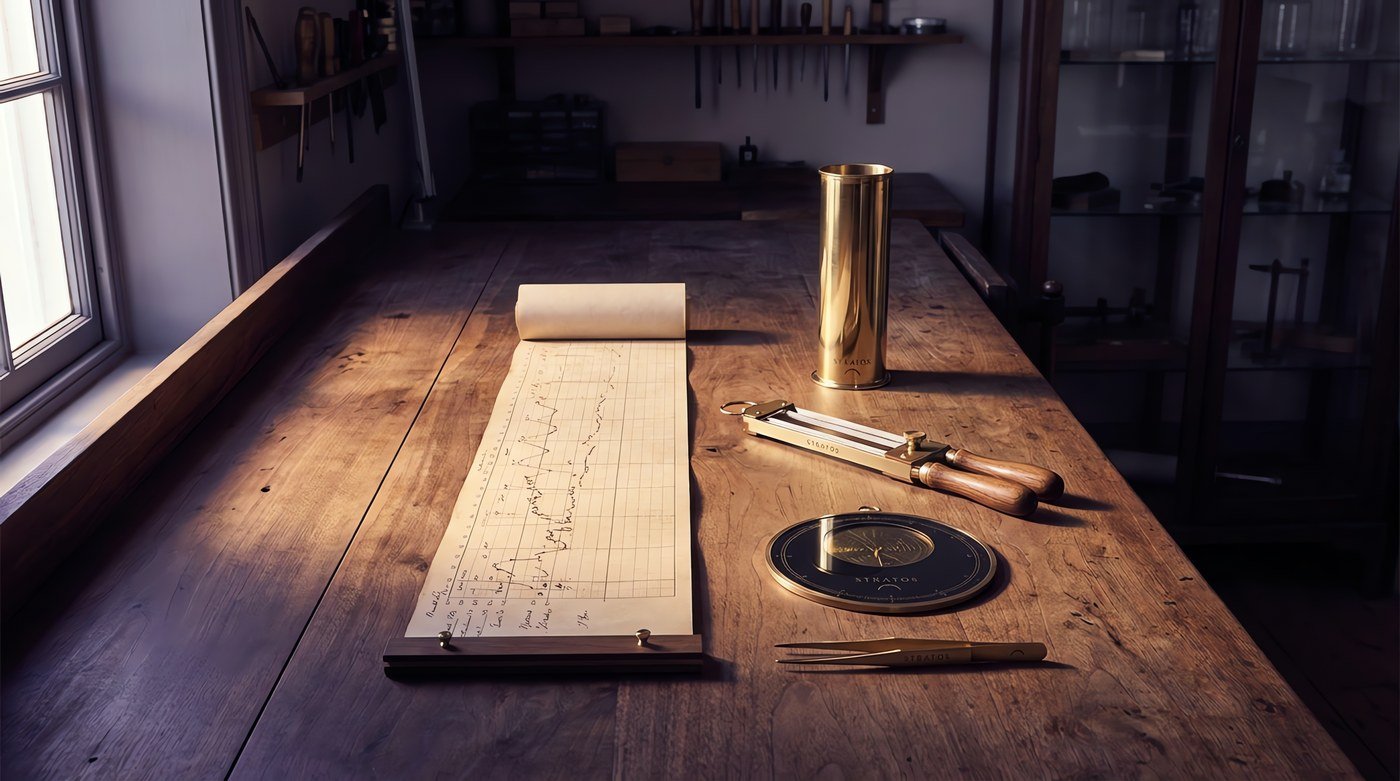
Rotors are balanced as a set and spun before assembly. Thermometer pairs are selected to agree within two tenths of a degree. Every cup wheel, every capsule stack and every movement is checked by the person who put it together, and the figures go on the card rather than into a drawer.
If an instrument cannot be re-zeroed by its owner, we do not sell it. Every dial here has a recessed adjustment screw and a card that explains how to use it without losing the factory setting.
Garden City, Idaho · calibrated against a laboratory reference
New instruments, the occasional note on reading a trace, and nothing else. No more than once a month.